


The fight against prostatitis is a complex and rather long process that does not allow for self-medication.Since this disease can lead to both pathologies of male reproductive function and serious disruptions in the functioning of other organs and systems, all measures to make a diagnosis and determine the necessary treatment strategy should be carried out exclusively by a urologist.How to treat prostatitis so that the disease recedes as quickly as possible, and what does the complex of therapeutic measures consist of?

Diagnosis of prostatitis
Identifying the presence of prostatitis in a patient is usually not difficult for a urologist, and the main goal of diagnostic procedures is to determine the cause and form of the disease.Some types of examination may cause discomfort or pain in patients, but going through certain stages of clinical diagnosis is necessary for the attending physician to collect useful information:
- Primary rectal digital examination and collection of prostate secretions for analysis to determine the nature of the disease (abacterial or infectious forms of prostatitis).If an infectious agent is detected in biological material, a test is carried out to determine the sensitivity of the pathogenic microflora to antibiotics in order to optimize the set of subsequent therapeutic measures.
- Transabdominal or transrectal ultrasound examination.Prescribed as needed to clarify the characteristics of the prostate gland.Transabdominal ultrasound is performed through the anterior abdominal wall and does not cause discomfort to the patient.However, transrectal examination of the prostate (through the rectum) is, although moderately painful, a more informative procedure, since it allows you to determine not only the parameters of the gland, but also its structural changes.
- PSA blood test.An excess of the normal level (4 ng/ml) of prostate-specific antigen in the blood may indicate the presence of pathological processes in the prostate gland.Determination of PSA values must be carried out not only in the process of diagnosing prostatitis, but also during treatment of the disease to assess the effectiveness of therapy.
Main therapeutic components and methods of treating prostatitis
Acute prostatitis and exacerbation of the chronic form of this disease are treated according to similar schemes.Correctly selected, rational therapy presupposes complete recovery of the patient in the first case and leads to his cure or long-term remission of the disease in the second.Only a urologist can decide how to treat prostatitis without harm to the patient’s health and with achieving maximum effect from the means and methods used; the patient’s role in this process is to strictly follow all the specialist’s instructions.
Drug therapy
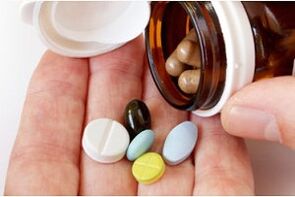
Treatment with drugs is the basis of any therapeutic effect on foci of inflammation in the prostate gland.The selection of necessary medications is made by a urologist based on data from laboratory tests and other preliminary studies.The direction of action of drug therapy includes:
- reduction in the patient’s level of pain;
- normalization of blood circulation in the prostate gland and adjacent organs;
- localization and destruction of the infectious agent;
- elimination of inflammatory reactions and congestion in the prostate;
- stabilization of immunity, sexual performance and general well-being of the patient
The optimal effectiveness of drug therapy is achieved by combining antibiotics, painkillers, anti-inflammatory and hormonal drugs, antidepressants, microenemas and suppositories in a wellness program.
Local therapy
A local restorative effect on the prostate gland and its inflamed areas is achieved through the use of various types of physiotherapy in the treatment program:
- ultrasonic phonophoresis;
- transrectal microwave hyperthermia;
- diadynamophoresis;
- laser therapy;
- prostate massage.
It should be noted that, despite its relative pain, massage is the most effective means of combating prostatitis.Thanks to such procedures, stagnant secretions are removed from the prostate gland, which improves blood circulation in the affected tissues and increases the effectiveness of medications used by the patient.Massage is prescribed to the patient during periods of remission or subsidence of acute manifestations of the disease.During an exacerbation of prostatitis, procedures are excluded by the doctor from the list of therapeutic measures, since they can provoke the spread of infection.
Phytotherapy
Treatment with herbal remedies is prescribed to patients with prostatitis as part of complex therapy.The use of health products of plant origin is possible over a long course, due to their harmless effects on the body and the low prevalence of side effects.Herbal medicine can be carried out through internal and (or) external use, in the form of juices, decoctions or infusions of St. John's wort, ginseng, calamus, periwinkle, burdock, nettle and other medicinal plants.In the chronic form of prostatitis, the doctor may prescribe magnetic, phono- or electrophoresis of herbal remedies.
Medications in the treatment of prostatitis
The course of medication used by patients is prescribed to them by their doctor on an individual basis.The antibiotic program is developed taking into account the following specific criteria:
- form of the disease;
- type of pathogen and antimicrobial activity of the drug;
- penetration of the drug into prostate tissue;
- no contraindications to taking the drug;
- method of drug administration;
- possible side effects
Based on the effectiveness of treatment of chronic and acute prostatitis, there are three main groups of antibacterial agents:
- Fluoroquinolones.Drugs in this group have a wide spectrum of action and have the ability to accumulate in high concentrations in prostate tissue;in this case, pathogenic bacteria do not develop resistance to the active agent.The “disadvantage” of fluoroquinolones is their possible negative effect on the central nervous system and the likelihood of allergic reactions in patients.
- Tetracyclines.These drugs are most effective against atypical pathogens, but are not active enough against E. coli and staphylococci and are completely ineffective against Pseudomonas aeruginosa.
- Macrolides.Drugs from the macrolide group easily penetrate and actively accumulate in the tissues of the gland; however, being low-toxic and effective in destroying gram-positive bacteria, they are weakly effective in suppressing gram-negative bacteria.
In the first days of taking prescribed antibacterial drugs, a patient diagnosed with prostatitis should regularly visit his doctor.This measure is necessary for the urologist to monitor the effectiveness of antibiotics.If, after three days of treatment, the specialist does not notice any visible improvements in the patient’s condition, he replaces the main drug.When prescribing antibiotics, the doctor must take into account the patient’s experience of taking similar drugs in order to avoid re-prescribing a drug of the same group.
In addition to antibacterial and painkillers, a patient with prostatitis may be prescribed hormonal therapy and (or) alpha-blockers:
- Hormone therapy.The condition and functions of the prostate are directly dependent on the amount of androgens and estrogens in the male body.The use of hormonal drugs in the treatment of prostatitis allows you to shift the balance of “female” and “male” hormones in a given direction.Since such drugs help to reduce the glandular tissue of the prostate, we can talk about the indirect role of antiandrogens in the recovery of a patient with prostatitis.
- Alpha adrenergic blockers.Taking such drugs refers to the method of pathogenetic therapy;its purpose is to relieve the general symptoms of prostate inflammation.The use of alpha-blockers is especially effective for problems with urination.By relieving spasms of the sphincter, the walls of the ureter, the smooth muscles of the bladder, as well as the prostate gland itself, stagnation or backflow of prostate secretion is prevented and swelling is relieved from the inflamed organ.
Regardless of the purposes and specifics of the use of medicines, any drug should be taken exclusively as prescribed by a doctor and under his supervision.Self-medication can lead to complications of the disease or make subsequent therapy ineffective in a clinical setting.
Immunocorrection is the key to successful treatment
The entire complex of treatment procedures for chronic or acute prostatitis must necessarily be accompanied by immunocorrective measures (regular visits to an immunologist, normalization of lifestyle, taking vitamins, immunomodulators, etc.).The high immune status of the body contributes to a speedy recovery of the patient or prolongation of the remission phase in the chronic form of the disease.
A timely visit to a specialist in the event of symptoms characteristic of the disease, strict adherence to medical recommendations in the event of a diagnosis of prostatitis, prevention of relapses of an existing disease and a categorical refusal of self-medication in favor of the professional intervention of a urologist will allow you to avoid long-term treatment and undesirable consequences of a serious illness.